By Vera Oko
Although feminism is a word that has raised eyebrows and questions, it has also simultaneously liberated and empowered countless individuals and groups across the globe. Despite its impacts, feminism is often misunderstood, leading to stereotypes, misrepresentations, and outright falsehoods about its purpose and goals. Moreover, some distance themselves from identifying with the feminist cause because of misconceptions about what it stands for. Addressing the stereotypes ascribed to feminism is essential to understanding what feminism is. Below, these stereotypes are addressed, and feminism takes shape for questioners.
- What is feminism?
While feminism encompasses diverse beliefs, theories, and practices, it is fundamentally committed to pursuing justice, equity, and equality across all genders at its core. Feminism originated as a movement focused on addressing the systemic injustices women face due to the disadvantaged position of women in society. However, from the fight for voting rights to combating inequalities in education and the workplace, feminism has since evolved to encompass broader struggles for equity and inclusion.
In case you are debating whether or not you are a feminist, want to be a feminist, or are seeking clarity about what feminism truly is, below is an exploration of what feminism is and what feminism is not.
- All That Feminism Is Not
a. Feminism Is Not Anti-Men
There is the misconception that feminism is a manhating or lesbian movement. Contrary to this view, feminism does not seek to “bring men down” or advocate for female superiority. Instead, it aims to dismantle patriarchal systems that harm people of all genders, including men.
b. Feminism Is Not Exclusively for Women
Yes, feminism is not solely meant for the liberation of women. People of all genders, including men and non-binary individuals, can support and participate in feminist movements. True feminism seeks and welcomes allies across all identities to achieve collective liberation and equality.
c. Feminism Is Not Against Motherhood or Family
Feminism does not aim to devalue motherhood or family life. Instead, it challenges societal norms that force women into harmful, unsafe, or violent spaces. Furthermore, feminism advocates for respecting all paths. This means supporting the choices of others. For example, whether a mother chooses to be a stay-at-home parent, pursue a career, or do both, the feminist thing to do would be to see the value in all parenting choices she makes and support it without judgment. Hence, while feminism fought for women’s right to work, it equally supports the choice to be a stay-at-home parent, recognizing the unpaid labor that goes into care work.
d. Feminism Is Not Solely a Western Concept
Feminism is not exclusive to Western countries. Feminist movements exist globally and are shaped by cultural, historical, and local contexts. For example, feminism in Nigeria may focus on issues like access to education or combating child marriage in some areas. Another example of feminism practiced in a different context can be found in how some Muslim women in Saudi Arabia wear the hijab, burqa, and niqab by choice and as a form of religious devotion, a symbol of beauty, modesty, and identity, therefore challenging narratives that frame the garment solely as a symbol of oppression worn only under coercion. This personal and political feminist choice of wearing the niqab and hijab highlights the diversity of feminist thought across specific contexts, countries, and continents. In any case, feminism expands to address oppression, autonomy, and social justice in different contexts.
e. Feminism Is Not Against Religion
Feminism is not inherently opposed to religion. While it critiques how religious doctrines may be used to justify oppression, it also supports individuals’ rights to practice their faith freely. Feminist theology, for instance, explores ways to reinterpret religious texts towards empowering women and marginalized groups.
3. Some of What Feminism Entails
a. Feminism Advocates and Fights for Justice
Feminism fights for justice by addressing systemic inequalities and advocating for policies that promote fairness in areas like education, healthcare, employment, and reproductive rights. For example, advocating that Black lives matter or for justice and accountability, as seen in the case of George Floyd’s murder, which was caused by racial police brutality, is a feminist action.
b. Feminism Advocates and Fights for Equal Access to Education and Opportunities
Feminism uplifts groups historically and continually marginalized from work and education. For example, women have historically faced systemic barriers to equal opportunities and education in some countries. Feminism asserts that women are as capable as men intellectually, creatively, and professionally. It fights for access to education, equal pay, and the dismantling of stereotypes that paint women as less competent, especially in fields like science, technology, politics, and leadership.
c. Feminism Is for Everyone
Feminism encourages liberation from oppression for everyone, not just women. For example, it supports the idea that men should be free to express emotions, to cry if they feel like crying, to seek support, and to reject harmful gender norms without fear of judgment. Feminism challenges toxic masculinity and cultural expectations that discourage men from showing vulnerability or seeking help.
d. Feminism is Intersectional
Feminism recognizes various forms of interlocking oppression, such as those based on race, age, class, sexuality, disability, and more, which all intersect with gender discrimination. This approach ensures that feminism considers the interlocking challenges that individuals face across different identities. For instance, Black women may face challenges in the workplace due to combined discrimination against the color of their skin and their gender. Here we see interlocking identities, such as race and gender, expose them to discrimination on both fronts.
Overall, feminism is a movement rooted in justice and equality. It seeks partnership where all sides benefit mutually. Feminism is about creating a world where everyone, regardless of race, class, or gender, has equal access to freedom and opportunities. It supports individuals’ right to live authentically by choice and without barriers imposed by systemic discrimination and oppression. Hence, it really is this simple: if you believe that people should be treated with kindness, dignity, respect, and equality regardless of race, class, or gender, then you are a feminist.
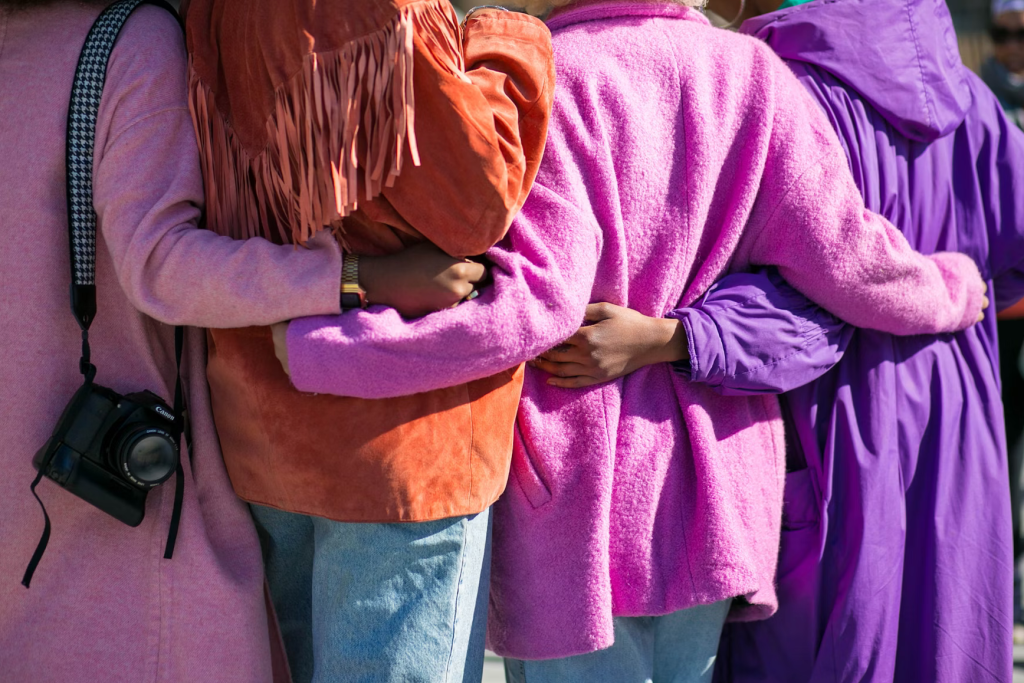
Cover Image: Vonecia Carswell / Unsplash
 The F-Word Magazine
Leave a comment